

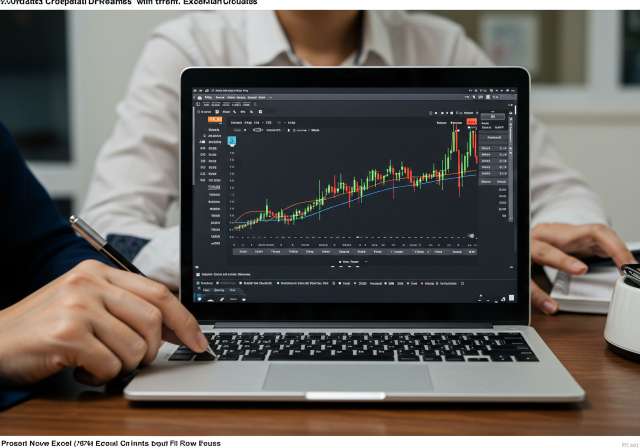
Ready to navigate the Indian stock market? Learn how to open trading account online with our step-by-step guide. Understand KYC, demat accounts, brokerage charg
Ready to navigate the Indian stock market? Learn how to open trading account online with our step-by-step guide. Understand KYC, demat accounts, brokerage charges, and start investing wisely in the NSE & BSE.
Open Trading Account: Your Gateway to Indian Stock Markets
Introduction: Embarking on Your Investment Journey
India’s financial landscape offers a plethora of opportunities for investors looking to grow their wealth. From the established giants listed on the Bombay Stock Exchange (BSE) and National Stock Exchange (NSE) to the burgeoning world of Initial Public Offerings (IPOs), the potential for financial gains is substantial. However, to participate in this dynamic market, you need a crucial tool: a trading account.
A trading account acts as your gateway to buying and selling stocks, bonds, mutual funds, and other financial instruments. Think of it as a digital wallet specifically designed for securities transactions. Without it, you cannot directly place orders on the exchanges. This guide provides a comprehensive overview of how to open a trading account and begin your investment journey in India.
Understanding the Basics: Demat Account, Trading Account, and the Connection
Before diving into the process, it’s crucial to understand the difference between a Demat account and a trading account. Often, these terms are used interchangeably, but they serve distinct purposes:
- Demat Account (Dematerialization Account): This account holds your shares and other securities in electronic form. Think of it as a bank locker for your investments. It eliminates the need for physical share certificates, making trading more efficient and secure.
- Trading Account: This account allows you to place buy and sell orders for securities on the stock exchanges. It’s the interface through which you interact with the market.
Most brokerage firms offer a combined Demat and Trading account package. When you buy shares, they are credited to your Demat account, and when you sell, they are debited from it. The trading account is the vehicle that facilitates these transactions.
Why You Need a Trading Account: Beyond the Obvious
While the primary function of a trading account is to buy and sell securities, its importance extends beyond simple transactions. Here’s why it’s indispensable for any serious investor:
- Market Access: As mentioned, it’s the only way to directly participate in the stock market. You cannot buy or sell shares without one.
- Investment Diversification: A trading account allows you to invest in a wide range of asset classes, including stocks, bonds, mutual funds, ETFs, and derivatives. This diversification helps mitigate risk and potentially enhance returns.
- Real-Time Information: Most brokerage firms provide real-time market data, news, and research through their trading platforms, empowering you to make informed investment decisions.
- Convenience and Speed: Online trading accounts offer unparalleled convenience and speed. You can execute trades from anywhere, at any time, with just a few clicks.
- Tracking and Analysis: Trading accounts typically provide tools to track your portfolio performance, analyze market trends, and monitor your investments.
Choosing the Right Broker: A Crucial Decision
Selecting the right brokerage firm is a critical step in opening a trading account. Different brokers offer varying services, features, and pricing structures. Consider the following factors when making your choice:
- Brokerage Charges: Understand the different types of brokerage charges, such as percentage-based commissions, flat fees, and subscription plans. Compare the charges across different brokers to find the most cost-effective option for your trading style.
- Trading Platform: Evaluate the broker’s trading platform. It should be user-friendly, reliable, and equipped with the tools and features you need to execute trades efficiently. Many brokers offer mobile apps for trading on the go.
- Research and Analysis: Check if the broker provides research reports, market analysis, and investment recommendations. This information can be valuable for making informed investment decisions.
- Customer Support: Ensure that the broker offers reliable customer support through various channels, such as phone, email, and live chat. Prompt and helpful customer service is crucial for resolving any issues or queries you may have.
- Account Types: Determine if the broker offers the types of accounts you need, such as individual accounts, joint accounts, and corporate accounts.
- Investment Options: Verify that the broker provides access to the investment options you are interested in, such as stocks, bonds, mutual funds, and derivatives.
- Reputation and Reliability: Research the broker’s reputation and track record. Look for reviews and ratings from other investors to gauge their experience with the broker. Check if the broker is registered with SEBI (Securities and Exchange Board of India), the regulatory body for the Indian securities market.
Popular brokers in India include both full-service brokers (offering research and advisory services) and discount brokers (offering lower brokerage fees but limited research). Consider your investment needs and preferences when choosing between the two.
Step-by-Step Guide: Opening Your Trading Account
Opening a trading account is a relatively straightforward process. Here’s a step-by-step guide:
1. Choose a Broker and Visit Their Website
Select a brokerage firm that aligns with your investment goals and trading style. Visit their website to learn more about their services and account opening process.
2. Online Application and KYC (Know Your Customer)
Most brokers offer the option to open a trading account online. This is typically faster and more convenient than the offline process. You’ll need to fill out an online application form with your personal and financial information.
KYC (Know Your Customer) is a mandatory process for all investors in India. It involves verifying your identity and address to prevent money laundering and other illegal activities. You will need to submit the following documents:
- Proof of Identity (POI): PAN card, Aadhaar card, passport, or voter ID card
- Proof of Address (POA): Aadhaar card, passport, utility bill, or bank statement
- Bank Account Details: Bank account number, IFSC code, and cancelled cheque
- Photograph: A recent passport-sized photograph
Many brokers offer e-KYC, which allows you to complete the KYC process online using Aadhaar-based authentication.
3. In-Person Verification (IPV)
As per SEBI regulations, brokers need to conduct an In-Person Verification (IPV) of the applicant. This can be done either physically or through video conferencing. The purpose of IPV is to verify the applicant’s identity and ensure that they are aware of the risks involved in trading.
4. Account Activation
Once your application and KYC documents are verified, the broker will activate your trading account. You will receive your account details, including your user ID and password, which you can use to log in to the trading platform. This is when you truly open trading account online and start your journey.
Funding Your Trading Account: Ready to Invest
After your trading account is activated, you need to fund it before you can start trading. You can fund your account using various methods, such as:
- Net Banking: Transfer funds directly from your bank account to your trading account using net banking.
- UPI (Unified Payments Interface): Use UPI apps like PhonePe, Google Pay, or Paytm to transfer funds to your trading account.
- NEFT/RTGS: Transfer funds using NEFT (National Electronic Funds Transfer) or RTGS (Real Time Gross Settlement).
Ensure that the bank account you use to fund your trading account is linked to your trading account.
Understanding Trading Platforms: Your Window to the Market
A trading platform is the software or application that allows you to place buy and sell orders, track market prices, and monitor your portfolio. It is your primary interface with the stock market. Familiarize yourself with the platform’s features and functionalities, including:
- Order Placement: Learn how to place different types of orders, such as market orders, limit orders, and stop-loss orders.
- Market Watch: Create a market watch list to track the prices of your favorite stocks.
- Charting Tools: Use charting tools to analyze price trends and identify potential trading opportunities.
- News and Research: Access news and research reports to stay informed about market developments.
- Portfolio Tracking: Monitor your portfolio performance and track your gains and losses.
Most brokers offer demo accounts that allow you to practice trading without risking real money. Take advantage of these demo accounts to familiarize yourself with the trading platform before you start trading with real funds.
Investment Strategies: Building a Solid Foundation
Once you have a trading account and understand the basics of the market, it’s time to develop an investment strategy. Your strategy should be based on your financial goals, risk tolerance, and investment horizon. Some popular investment strategies include:
- Long-Term Investing: Investing in stocks for the long term, typically for several years or decades, with the goal of capital appreciation.
- Value Investing: Identifying undervalued stocks and investing in them with the expectation that their prices will eventually rise to their intrinsic value.
- Growth Investing: Investing in companies with high growth potential, even if they are not currently profitable.
- Dividend Investing: Investing in companies that pay regular dividends, providing a steady stream of income.
- Systematic Investment Plan (SIP): Investing a fixed amount of money in a mutual fund or stocks at regular intervals, such as monthly or quarterly. SIPs help you to average out your investment costs and benefit from rupee cost averaging.
Consider exploring investment options like Equity Linked Savings Schemes (ELSS) for tax saving purposes under Section 80C of the Income Tax Act. Other tax-saving avenues include Public Provident Fund (PPF) and National Pension System (NPS), though these are not traded through a trading account.
Risk Management: Protecting Your Investments
Investing in the stock market involves risk. It’s crucial to understand and manage these risks to protect your investments. Some risk management strategies include:
- Diversification: Spreading your investments across different asset classes, sectors, and geographies to reduce risk.
- Stop-Loss Orders: Placing stop-loss orders to limit your potential losses on a trade.
- Due Diligence: Thoroughly researching companies and investments before investing.
- Staying Informed: Keeping abreast of market news and developments.
Conclusion: Empowering Your Financial Future
Opening a trading account is the first step towards unlocking the potential of the Indian stock market. By understanding the process, choosing the right broker, and developing a sound investment strategy, you can empower yourself to achieve your financial goals. Remember to invest responsibly, manage your risks, and stay informed about market developments. The Indian financial markets offer tremendous opportunities for those who are willing to learn and invest wisely.
About the Author


