

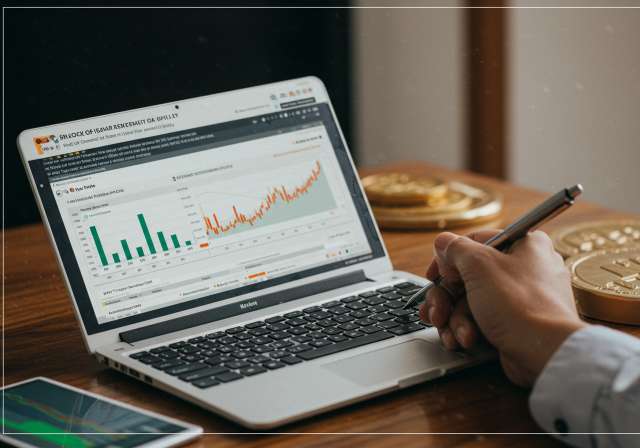
Opening a demat account in Chennai? Explore the benefits, documents needed, and steps to easily open a demat account Chennai. Invest in stocks, mutual funds, an
Demat Account Chennai: Your Gateway to the Indian Stock Market
Opening a demat account in Chennai? Explore the benefits, documents needed, and steps to easily open a demat account Chennai. Invest in stocks, mutual funds, and more!
In today’s digital age, trading and investing in the Indian stock market have become significantly easier, thanks to dematerialization. A Demat account, short for Dematerialized Account, is an electronic repository that holds your shares and securities in a digital format. Think of it as a bank account for your investments. Instead of physical share certificates, your holdings are stored electronically, making trading faster, more secure, and more convenient.
Before the advent of Demat accounts, trading involved handling physical share certificates, which was a cumbersome and time-consuming process. These certificates were prone to damage, loss, and even forgery. The introduction of Demat accounts by the Securities and Exchange Board of India (SEBI) revolutionized the Indian stock market, making it more efficient and accessible to a wider range of investors.
Dematerialization is the process of converting physical share certificates into electronic form. This is done by submitting the physical certificates to your Depository Participant (DP), which then coordinates with the depository (like NSDL or CDSL) to convert the shares into electronic credits in your Demat account. This process eliminates the risks associated with physical certificates and simplifies the trading process.
Whether you’re a seasoned investor or just starting your investment journey, a Demat account is essential for participating in the Indian stock market. Here are some key reasons why you need a Demat account:
Opening a Demat account in Chennai is a straightforward process. Here’s a detailed guide to help you get started:
A DP is an intermediary between you and the depository (NSDL or CDSL). They facilitate the opening and operation of your Demat account. Many banks, brokerage firms, and financial institutions act as DPs. When choosing a DP, consider factors such as brokerage fees, account maintenance charges, services offered, and customer support.
Popular DPs in Chennai include:
Once you’ve chosen a DP, you’ll need to fill out the Demat account opening form. You can typically download the form from the DP’s website or obtain it from their branch. Ensure you fill out all the details accurately and completely.
KYC (Know Your Customer) documents are required to verify your identity and address. Here’s a list of commonly accepted documents:
SEBI regulations require an In-Person Verification (IPV) to confirm your identity. This can be done physically at the DP’s branch or through video conferencing. During the IPV, the DP will verify your original documents and confirm your identity.
After successful verification, your Demat account will be activated. You will receive your account details, including your Demat account number and client ID. You can then start trading and investing in the stock market.
Choosing the right DP is crucial for a smooth and hassle-free investment experience. Here are some key factors to consider:
It’s important to understand the various charges associated with a Demat account. These charges can vary depending on the DP. Here’s a breakdown of the common charges:
To trade in the stock market, you need to link your Demat account to a trading account. A trading account is an account that allows you to place orders to buy or sell securities. Most DPs offer both Demat and trading accounts. Linking these accounts allows you to seamlessly buy and sell shares, with the shares being automatically credited or debited to your Demat account.
A Demat account facilitates investment in various financial instruments, including Systematic Investment Plans (SIPs) and Mutual Funds. SIPs allow you to invest a fixed amount regularly in a mutual fund scheme. Mutual funds pool money from multiple investors to invest in a diversified portfolio of stocks, bonds, or other assets. Having a Demat account simplifies the process of investing in mutual funds, as units are credited directly to your account.
Many investors in Chennai prefer investing in Equity Linked Savings Schemes (ELSS) through their Demat accounts. ELSS are mutual funds that offer tax benefits under Section 80C of the Income Tax Act, allowing you to claim deductions of up to ₹1.5 lakh per year. Other popular investment options accessible through a Demat account include Public Provident Fund (PPF) and National Pension System (NPS), although these are usually managed separately from the Demat account itself, its existence will facilitate easier tracking and reporting of your overall portfolio.
Understanding the tax implications of your investments is crucial. When you sell shares or mutual fund units, you may be liable to pay capital gains tax. The tax rate depends on the holding period of the investment. Short-term capital gains (STCG) are taxed at a higher rate than long-term capital gains (LTCG). It’s advisable to consult a tax advisor to understand the tax implications of your investments and plan your finances accordingly.
A Demat account is an indispensable tool for anyone looking to participate in the Indian stock market. By understanding the benefits of a Demat account, choosing the right DP, and following the steps outlined in this guide, you can open a Demat account in Chennai and embark on your investment journey with confidence. Remember to always invest wisely and consult with a financial advisor to make informed investment decisions.
Understanding the Basics: What is a Demat Account?
The Importance of Dematerialization
Why You Need a Demat Account in Chennai
- Mandatory for Trading: SEBI regulations mandate that all trading in the Indian stock market be done through Demat accounts. You cannot buy or sell shares without one.
- Safe and Secure: Your shares are stored electronically, eliminating the risk of loss, theft, or damage associated with physical certificates.
- Faster Transactions: Trading is much faster and more efficient with a Demat account. Shares are credited or debited to your account electronically, reducing settlement time.
- Convenient Management: You can easily track and manage your investments online through your Demat account.
- Access to Various Investments: A Demat account not only allows you to trade in equities but also provides access to other investment options like IPOs, mutual funds, bonds, and ETFs.
Opening a Demat Account in Chennai: A Step-by-Step Guide
1. Choose a Depository Participant (DP)
- HDFC Securities
- ICICI Direct
- Kotak Securities
- Zerodha
- Upstox
2. Fill Out the Account Opening Form
3. Provide KYC Documents
- Proof of Identity: Aadhaar card, PAN card, Passport, Voter ID, Driving License
- Proof of Address: Aadhaar card, Passport, Voter ID, Driving License, Utility bills (electricity, telephone, gas), Bank statement
- PAN Card: A PAN card is mandatory for opening a Demat account.
- Passport-sized photographs: Recent passport-sized photographs are required.
4. In-Person Verification (IPV)
5. Account Activation
Factors to Consider When Choosing a DP in Chennai
- Brokerage Fees: Different DPs charge different brokerage fees for trading. Compare the fees and choose a DP that offers competitive rates.
- Account Maintenance Charges: Most DPs charge an annual account maintenance fee. Check the charges before opening an account.
- Services Offered: Some DPs offer additional services like research reports, advisory services, and trading platforms. Choose a DP that meets your specific needs.
- Trading Platform: The trading platform should be user-friendly and provide real-time market data and charting tools.
- Customer Support: Good customer support is essential for resolving any issues or queries you may have.
- Reputation: Choose a DP with a good reputation and a track record of providing reliable services.
Demat Account Charges: Understanding the Costs
- Account Opening Charges: Some DPs charge a one-time fee for opening a Demat account.
- Annual Maintenance Charges (AMC): This is an annual fee charged for maintaining your Demat account.
- Transaction Charges: These are charges levied on each transaction, such as buying or selling shares.
- Dematerialization Charges: These charges are levied when you convert physical share certificates into electronic form.
- Rematerialization Charges: These charges are levied when you convert electronic shares back into physical form.
Linking Your Demat Account to Your Trading Account
Investing through SIPs and Mutual Funds with your Demat Account
Tax Implications of Demat Account and Investments
Conclusion: Empowering Your Investments with a Demat Account in Chennai
About the Author


