

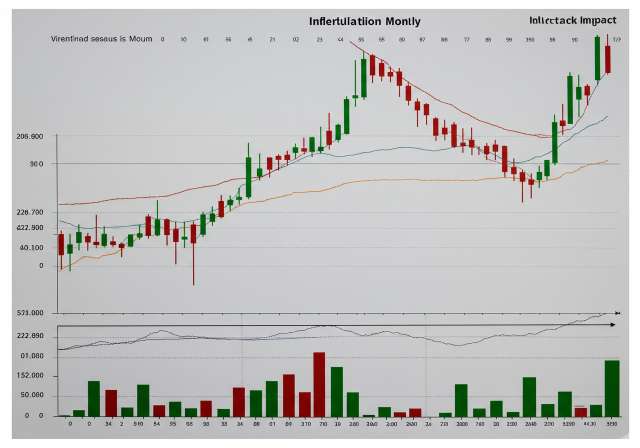
Uncover the secrets to maximizing your SIP investments! Explore the top-performing mutual funds delivering exceptional returns. Learn about the funds with the top sip return in last year & start building wealth wisely. Your guide to savvy SIP investing in India!
Best SIP Returns: Top Performing Funds in India
Introduction: The Power of SIP Investing
Systematic Investment Plans (SIPs) have become increasingly popular in India as a disciplined and accessible way to participate in the equity markets. SIPs allow investors to invest a fixed amount of money at regular intervals (usually monthly), averaging out the cost of investment and mitigating the risks associated with market volatility. This strategy, known as Rupee Cost Averaging, can potentially lead to significant wealth creation over the long term.
For Indian investors, SIPs offer a convenient route to invest in a variety of asset classes, including equity mutual funds, debt funds, and hybrid funds. They are particularly attractive to salaried individuals and those seeking to build a corpus for long-term goals like retirement, children’s education, or buying a home. The NSE and BSE provide platforms for tracking the performance of these funds, and SEBI regulates the mutual fund industry to protect investor interests.
Understanding SIP Returns: What to Consider
When evaluating SIP returns, it’s crucial to look beyond just the absolute percentage. Several factors contribute to the overall performance of a SIP investment, and a holistic understanding is necessary for making informed decisions:
- Investment Horizon: The longer the investment horizon, the better the potential for wealth creation through compounding. While short-term returns can be impressive, SIPs are best suited for long-term goals.
- Fund Type: Different types of mutual funds (equity, debt, hybrid) have varying risk-return profiles. Equity funds typically offer higher returns but also carry higher risk, while debt funds are generally less volatile but provide lower returns. Hybrid funds offer a balance between the two.
- Expense Ratio: The expense ratio is the annual fee charged by the fund house to manage the fund. A lower expense ratio means more of your investment goes towards generating returns.
- Fund Manager’s Expertise: The skill and experience of the fund manager play a significant role in the fund’s performance. Look for fund managers with a proven track record of delivering consistent returns.
- Market Conditions: Market fluctuations significantly impact fund performance. Periods of strong market growth will naturally lead to higher returns, while periods of market downturn may result in lower or even negative returns.
- Risk Tolerance: Your risk tolerance should align with the fund’s risk profile. If you are risk-averse, you may prefer debt or hybrid funds, while those with a higher risk appetite may opt for equity funds.
Top Performing SIP Funds: A Closer Look
While past performance is not indicative of future results, it can provide valuable insights into a fund’s potential. Here are some types of top-performing mutual funds based on historical SIP returns. Please note that this is for informational purposes only and does not constitute investment advice. Consult with a financial advisor before making any investment decisions. Before choosing any funds, carefully consider the latest scheme information document.
Equity Funds: High Growth Potential
Equity funds invest primarily in stocks and are known for their potential to generate high returns over the long term. However, they also carry a higher degree of risk. Within equity funds, there are several sub-categories:
- Large-Cap Funds: Invest in large, well-established companies. Generally considered less risky than mid-cap or small-cap funds.
- Mid-Cap Funds: Invest in medium-sized companies. Offer higher growth potential than large-cap funds but also carry higher risk.
- Small-Cap Funds: Invest in small companies. Have the potential for the highest returns but are also the most volatile.
- Sectoral Funds: Invest in specific sectors, such as technology, healthcare, or finance. Offer focused exposure but carry concentrated risk.
- Flexi-Cap Funds: Can invest across market capitalizations, providing flexibility to the fund manager.
When choosing equity funds for SIP investments, consider your risk tolerance and investment horizon. If you are a conservative investor, you may prefer large-cap or multi-cap funds. If you are willing to take on more risk for potentially higher returns, you may consider mid-cap or small-cap funds.
Debt Funds: Stability and Lower Risk
Debt funds invest primarily in fixed-income securities, such as government bonds, corporate bonds, and treasury bills. They are generally considered less risky than equity funds and provide a more stable source of returns. Debt funds are suitable for investors seeking to preserve capital and generate regular income.
Types of Debt Funds:
- Liquid Funds: Invest in short-term debt instruments and offer high liquidity. Suitable for parking short-term surplus funds.
- Short-Term Debt Funds: Invest in debt instruments with a maturity of 1-3 years. Offer slightly higher returns than liquid funds.
- Long-Term Debt Funds: Invest in debt instruments with a maturity of over 3 years. Offer the potential for higher returns but are also more sensitive to interest rate changes.
- Corporate Bond Funds: Invest primarily in corporate bonds. Offer higher yields than government bonds but also carry higher credit risk.
When choosing debt funds for SIP investments, consider your liquidity needs and risk tolerance. If you need easy access to your funds, you may prefer liquid funds. If you are seeking higher returns, you may consider short-term or long-term debt funds. Always assess the credit risk associated with corporate bond funds.
Hybrid Funds: A Balanced Approach
Hybrid funds invest in a combination of equity and debt instruments, offering a balance between growth and stability. They are suitable for investors seeking moderate returns with moderate risk. Hybrid funds can be further categorized based on the proportion of equity and debt in the portfolio:
- Conservative Hybrid Funds: Invest primarily in debt and a smaller portion in equity. Suitable for conservative investors seeking a slightly higher return than pure debt funds.
- Balanced Hybrid Funds: Invest approximately equal amounts in equity and debt. Suitable for investors seeking a balance between growth and stability.
- Aggressive Hybrid Funds: Invest primarily in equity and a smaller portion in debt. Suitable for investors seeking higher returns with a slightly lower risk than pure equity funds.
Hybrid funds are a good option for investors who are new to mutual funds or who want a diversified portfolio without having to actively manage their investments. They offer a convenient way to participate in both equity and debt markets.
Tax Implications of SIP Investments
The tax implications of SIP investments depend on the type of fund and the holding period. For equity mutual funds, short-term capital gains (STCG) are taxed at 15% if the units are sold within one year of investment. Long-term capital gains (LTCG) are taxed at 10% if the gains exceed ₹1 lakh in a financial year. For debt mutual funds, STCG are taxed according to the investor’s income tax slab if the units are sold within three years of investment. LTCG are taxed at 20% with indexation benefit.
ELSS (Equity Linked Savings Scheme) funds are tax-saving equity mutual funds that qualify for a deduction of up to ₹1.5 lakh under Section 80C of the Income Tax Act. The lock-in period for ELSS funds is three years, which is the shortest among all tax-saving investment options like PPF and NPS.
Beyond Mutual Funds: Other SIP Investment Options
While mutual funds are the most common vehicle for SIP investments, other options are available to Indian investors:
- Direct Equity SIP: Investing directly in stocks through a brokerage account. Requires more knowledge and active management but can potentially offer higher returns.
- Gold SIP: Investing in gold through gold ETFs or digital gold platforms. Offers diversification and acts as a hedge against inflation.
- Real Estate SIP: Investing in real estate through REITs (Real Estate Investment Trusts). Provides exposure to the real estate market without the need to purchase physical property.
Choosing the Right SIP Fund: A Step-by-Step Guide
Selecting the right SIP fund is crucial for achieving your financial goals. Here’s a step-by-step guide to help you make an informed decision:
- Define Your Financial Goals: Determine what you are saving for (e.g., retirement, education, home purchase) and the time horizon for achieving those goals.
- Assess Your Risk Tolerance: Understand your comfort level with market fluctuations and choose funds that align with your risk appetite.
- Research Different Fund Options: Compare the performance, expense ratios, and investment strategies of various funds.
- Consider Fund Manager’s Expertise: Evaluate the track record and experience of the fund manager.
- Read the Scheme Information Document (SID): Understand the fund’s investment objective, asset allocation, and risk factors.
- Start Small and Increase Gradually: Begin with a small SIP amount and gradually increase it as your income grows.
- Regularly Review Your Portfolio: Monitor the performance of your SIP investments and make adjustments as needed.
Conclusion: Start Your SIP Journey Today
SIP investing is a powerful tool for wealth creation, offering a disciplined and accessible way to participate in the financial markets. By understanding the fundamentals of SIPs, evaluating fund performance, and aligning your investments with your financial goals and risk tolerance, you can unlock the potential for long-term financial success. The best time to start your SIP journey is today. Consult with a financial advisor to get personalized advice and make informed investment decisions. Remember to stay invested for the long term to reap the full benefits of compounding.
About the Author


