
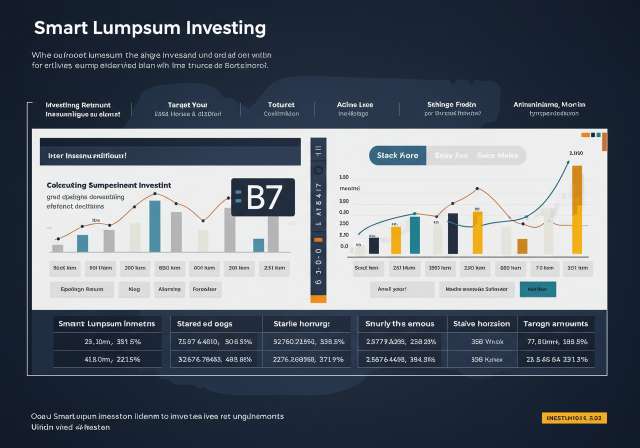

SIP vs Mutual Funds! Confused about which investment avenue suits you best? Unlock the secrets to smart investing. Learn about SIPs, mutual fund types, returns,
SIP vs Mutual Funds! Confused about which investment avenue suits you best? Unlock the secrets to smart investing. Learn about SIPs, mutual fund types, returns, risks, and discover which is better sip or mutual funds for your financial goals. Make informed decisions today!
SIP vs Mutual Funds: Which is the Right Investment Choice?
Decoding the Investment Jargon: SIPs and Mutual Funds
The Indian financial market offers a plethora of investment opportunities, and it’s easy to get lost in the jargon. Two terms frequently encountered are “SIP” and “Mutual Fund.” While often used together, they represent distinct concepts. Understanding the difference is crucial for making informed investment decisions that align with your financial goals.
Think of a Mutual Fund as a basket. This basket holds a variety of investments like stocks, bonds, and other assets. Professional fund managers actively manage this basket, aiming to generate returns for investors. When you invest in a mutual fund, you’re essentially buying a small piece of that basket, represented by units.
Now, a Systematic Investment Plan (SIP) is simply a method of investing in a mutual fund. Instead of investing a lump sum amount, a SIP allows you to invest a fixed amount regularly, typically monthly or quarterly. It’s like adding small, regular contributions to that mutual fund basket.
Mutual Funds: A Closer Look at the Investment Basket
Mutual funds pool money from multiple investors to purchase a diversified portfolio of assets. This diversification is a key advantage, as it helps to mitigate risk. If one investment performs poorly, the impact on your overall portfolio is limited because of the other, potentially better-performing investments.
Types of Mutual Funds in India
The Indian mutual fund industry, regulated by SEBI (Securities and Exchange Board of India), offers a wide range of options to cater to different risk appetites and investment objectives. Some common types include:
- Equity Funds: Primarily invest in stocks, offering high growth potential but also higher risk. Examples include Large Cap, Mid Cap, Small Cap, and Multi Cap funds.
- Debt Funds: Invest in fixed-income securities like government bonds and corporate bonds, offering lower risk and more stable returns. Examples include Liquid Funds, Short Duration Funds, and Corporate Bond Funds.
- Hybrid Funds: Combine equity and debt investments, providing a balance between growth and stability. Examples include Aggressive Hybrid Funds, Balanced Hybrid Funds, and Conservative Hybrid Funds.
- Index Funds: Replicate a specific market index, such as the Nifty 50 or the Sensex, offering passive investment opportunities.
- Sector Funds: Invest in specific sectors of the economy, such as technology, healthcare, or infrastructure. These funds can offer high growth potential but are also subject to sector-specific risks.
- ELSS (Equity Linked Savings Scheme) Funds: Equity funds that offer tax benefits under Section 80C of the Income Tax Act, making them popular for tax planning.
Choosing the right type of mutual fund depends on your risk tolerance, investment horizon, and financial goals. A first-time investor might prefer a hybrid fund for a balanced approach, while someone with a higher risk appetite and a longer investment horizon might opt for an equity fund.
SIPs: The Power of Regular Investing
As mentioned earlier, a SIP is a disciplined way to invest in mutual funds. It involves investing a fixed amount at regular intervals, regardless of market fluctuations. This approach offers several benefits:
Benefits of SIP Investing
- Rupee Cost Averaging: When markets are down, your fixed investment buys more units. When markets are up, it buys fewer units. Over time, this averages out the cost per unit, potentially leading to higher returns in the long run.
- Disciplined Investing: SIPs encourage a disciplined approach to investing, helping you build a corpus over time. The automated nature of SIPs makes it easy to stick to your investment plan.
- Affordability: SIPs allow you to start investing with small amounts, even as low as ₹500 per month, making it accessible to a wider range of investors.
- Convenience: Setting up a SIP is simple and convenient. You can easily do it online through your bank or a mutual fund platform.
- Power of Compounding: SIPs benefit from the power of compounding, where your earnings generate further earnings over time, leading to exponential growth of your investment.
SIPs are particularly well-suited for long-term goals like retirement planning, children’s education, or buying a house. By starting early and investing regularly, you can harness the power of compounding and potentially achieve your financial goals.
SIP vs Mutual Funds: The Key Differences Summarized
To reiterate, a mutual fund is an investment product, while a SIP is a method of investing in that product. Here’s a table summarizing the key differences:
| Feature | Mutual Fund | SIP |
|---|---|---|
| Definition | A pool of money from multiple investors managed by a professional fund manager. | A method of investing a fixed amount in a mutual fund at regular intervals. |
| Nature | An investment product. | An investment method. |
| Investment Mode | Lump sum or through SIP. | Regular installments. |
| Flexibility | Can invest any amount at any time (subject to fund rules). | Fixed amount at fixed intervals. |
| Impact of Market Fluctuations | Directly affected by market movements. | Benefits from rupee cost averaging. |
Evaluating Your Investment Needs: Finding the Right Fit
The “right” choice between SIP and mutual funds depends entirely on your individual circumstances, risk tolerance, and financial goals. Consider the following factors:
- Risk Tolerance: Are you comfortable with taking risks to potentially earn higher returns, or do you prefer a more conservative approach?
- Investment Horizon: How long do you plan to invest your money? A longer investment horizon allows you to take on more risk.
- Financial Goals: What are you saving for? Different goals require different investment strategies.
- Investment Knowledge: How familiar are you with the Indian financial market and different investment instruments?
- Available Capital: Do you have a lump sum amount to invest, or do you prefer to invest smaller amounts regularly?
If you have a lump sum amount and are comfortable with market fluctuations, you can invest directly in a mutual fund. However, if you prefer a disciplined and affordable approach, or if you are new to investing, a SIP is generally a better option.
Beyond SIPs: Other Investment Options in India
While SIPs in mutual funds are a popular choice, it’s important to remember that they are not the only investment option available in India. Other options include:
- Public Provident Fund (PPF): A government-backed scheme offering tax benefits and guaranteed returns.
- National Pension System (NPS): A retirement savings scheme that allows you to invest in a mix of equity and debt.
- Fixed Deposits (FDs): A low-risk investment option offered by banks and post offices.
- Gold: A traditional investment option often considered a hedge against inflation.
- Real Estate: An investment in physical property, offering potential rental income and capital appreciation.
Diversifying your investments across different asset classes can help to reduce risk and potentially enhance returns. Consult with a financial advisor to determine the best investment strategy for your individual needs.
Making the Right Choice: Seeking Professional Advice
Investing can be complex, and it’s always a good idea to seek professional advice from a qualified financial advisor. A financial advisor can help you assess your risk tolerance, understand your financial goals, and develop a personalized investment plan. They can also help you choose the right mutual funds and determine the appropriate asset allocation for your portfolio.
Remember to do your own research and due diligence before making any investment decisions. Read the scheme documents carefully, understand the risks involved, and choose investments that align with your financial goals and risk tolerance. Investing wisely is a key step towards achieving financial security and fulfilling your dreams.
Ultimately, both SIPs and Mutual Funds are valuable tools in your investment journey. Understanding how they work and how they align with your personal financial landscape is key. Happy Investing!
About the Author


