
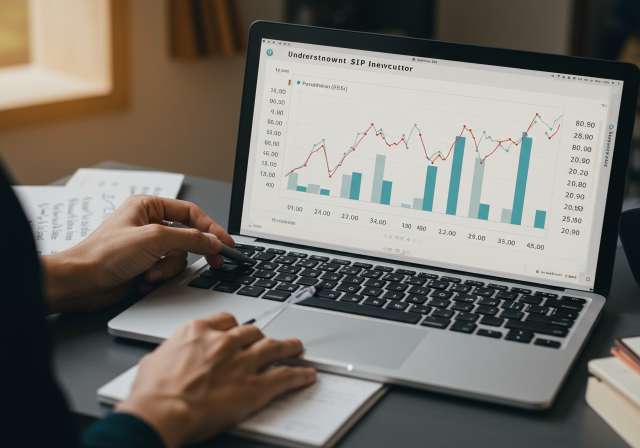
Track live stock market prices on India’s premier exchange. Get real-time updates, historical data, and expert analysis for informed investment decisions on the
Track live stock market prices on India’s premier exchange. Get real-time updates, historical data, and expert analysis for informed investment decisions on the Bombay Stock Exchange.
bse Live: Stock Market Prices & India’s Exchange
Understanding the Bombay Stock Exchange (BSE): India’s Oldest
The Indian stock market is a vibrant and dynamic ecosystem, and at its heart lies the Bombay Stock Exchange (BSE), a venerable institution with a rich history. Established in 1875, the BSE is not only Asia’s oldest stock exchange but also a cornerstone of India’s financial infrastructure. Its journey mirrors the evolution of the Indian economy, from pre-independence trading floors to the technologically advanced platform it is today. Understanding the BSE’s role and functions is crucial for any Indian investor navigating the equity markets.
A Historical Perspective
The origins of the BSE can be traced back to informal gatherings of stockbrokers under a banyan tree in Mumbai. These gatherings eventually formalized into “The Native Share & Stock Brokers’ Association,” which later became the Bombay Stock Exchange. Over the years, the BSE has witnessed significant milestones, including the introduction of electronic trading, the launch of derivative products, and the expansion of its indices to reflect the diverse sectors of the Indian economy.
Key Functions of the BSE
The BSE serves several critical functions within the Indian financial system:
- Facilitating Trading: The primary function of the BSE is to provide a platform for the buying and selling of securities, including stocks, bonds, and derivatives. It ensures a transparent and efficient trading environment for investors.
- Price Discovery: Through the interaction of buyers and sellers, the BSE helps to determine the fair price of securities, reflecting market sentiment and investor expectations.
- Capital Formation: The BSE enables companies to raise capital through the issuance of shares. This capital can then be used for expansion, innovation, and growth, contributing to the overall economic development of the country.
- Investor Protection: The BSE has implemented various mechanisms to protect investors from fraud and manipulation. These include stringent listing requirements, surveillance systems, and grievance redressal mechanisms.
- Dissemination of Information: The BSE provides real-time information on market trends, company performance, and other relevant data, empowering investors to make informed decisions.
Major Indices on the BSE
Indices are benchmarks that track the performance of a specific basket of stocks. The BSE has several important indices that provide insights into the overall health of the Indian stock market. Some of the most prominent include:
- S&P BSE SENSEX: The S&P BSE SENSEX (also known as the Sensex) is the benchmark index of the BSE. It comprises 30 of the largest and most actively traded stocks on the exchange, representing a broad cross-section of the Indian economy. The Sensex is a key indicator of market sentiment and overall economic performance.
- S&P BSE 100: This index includes the top 100 companies listed on the BSE, based on market capitalization. It offers a broader representation of the market compared to the Sensex.
- S&P BSE 500: The S&P BSE 500 represents the top 500 companies listed on the BSE, offering a comprehensive view of the Indian stock market.
- Sectoral Indices: The BSE also has a range of sectoral indices, such as the S&P BSE Bankex (for banking stocks), the S&P BSE IT Index (for information technology stocks), and the S&P BSE Healthcare Index (for healthcare stocks). These indices allow investors to track the performance of specific sectors.
Investing on the BSE: A Guide for Indian Investors
Investing in the stock market through the BSE can be a rewarding experience, but it’s essential to approach it with knowledge and a well-defined strategy. Here’s a step-by-step guide for Indian investors:
- Open a Demat and Trading Account: The first step is to open a Demat (Dematerialized) account and a trading account with a SEBI-registered brokerage firm. A Demat account holds your shares in electronic form, while a trading account allows you to buy and sell shares on the BSE. Many reputable brokers in India offer online account opening facilities.
- Conduct Thorough Research: Before investing in any stock, it’s crucial to conduct thorough research on the company’s financials, business model, and growth prospects. Analyze financial statements, read analyst reports, and stay updated on industry trends.
- Develop a Diversified Portfolio: Diversification is key to mitigating risk in the stock market. Avoid putting all your eggs in one basket. Instead, invest in a mix of stocks across different sectors and market capitalizations. Consider including large-cap, mid-cap, and small-cap stocks in your portfolio.
- Consider Mutual Funds and SIPs: For investors who lack the time or expertise to directly invest in stocks, mutual funds offer a convenient alternative. Mutual funds are professionally managed investment vehicles that pool money from multiple investors to invest in a diversified portfolio of stocks, bonds, or other assets. Systematic Investment Plans (SIPs) allow you to invest a fixed amount in a mutual fund at regular intervals (e.g., monthly). SIPs are a disciplined and effective way to build wealth over the long term, benefiting from the power of compounding and rupee cost averaging.
- Explore Tax-Saving Investment Options: India offers several tax-saving investment options that can help you reduce your tax liability while building wealth. Equity Linked Savings Schemes (ELSS) are mutual funds that invest primarily in equity and offer tax benefits under Section 80C of the Income Tax Act. Public Provident Fund (PPF) and National Pension System (NPS) are other popular tax-saving options.
- Monitor Your Investments Regularly: It’s important to monitor your investments regularly to ensure they are performing as expected. Review your portfolio periodically and make necessary adjustments based on market conditions and your investment goals. Don’t panic sell during market downturns, but be prepared to rebalance your portfolio if necessary.
- Stay Informed about Market News and Regulations: Keep yourself updated on the latest market news, regulatory changes, and economic developments that could impact your investments. Follow reputable financial news sources, attend investor education programs, and consult with a financial advisor if needed.
The Role of SEBI
The Securities and Exchange Board of India (SEBI) is the regulatory body responsible for overseeing the Indian securities market, including the BSE. SEBI’s primary objective is to protect the interests of investors and ensure the orderly development and regulation of the securities market. SEBI enforces rules and regulations, investigates market misconduct, and promotes investor education.
Beyond Equity: Other Instruments on the BSE
While the BSE is primarily known for its equity market, it also facilitates trading in other financial instruments, including:
- Debt Instruments: Bonds, debentures, and other debt securities are traded on the BSE. These instruments offer fixed income returns and can be a valuable addition to a diversified portfolio.
- Derivatives: The BSE offers trading in derivatives, such as futures and options. Derivatives are contracts whose value is derived from an underlying asset, such as a stock or an index. They can be used for hedging or speculation.
- Mutual Funds: As mentioned earlier, mutual fund units are also traded on the BSE, providing investors with access to a wide range of investment strategies.
Real-Time Stock Market Data
Access to real-time stock market data is crucial for making informed investment decisions. The BSE provides various resources for investors to track live stock prices, including:
- BSE Website: The BSE website (bseindia.com) offers real-time stock prices, market news, company announcements, and other relevant information.
- Brokerage Platforms: Most brokerage firms provide real-time data feeds to their clients, allowing them to track stock prices and execute trades from their online trading platforms.
- Financial News Websites and Apps: Several financial news websites and apps provide real-time stock prices and market analysis.
Conclusion: BSE – A Gateway to Indian Investments
The Bombay Stock Exchange is more than just a stock exchange; it’s a vital part of India’s economic fabric. Understanding its functions, indices, and regulations is essential for any Indian investor seeking to participate in the growth of the Indian economy. By conducting thorough research, diversifying your portfolio, and staying informed, you can leverage the opportunities offered by the BSE to achieve your financial goals. Remember to consult with a financial advisor to create an investment strategy that aligns with your individual circumstances and risk tolerance.
About the Author


