
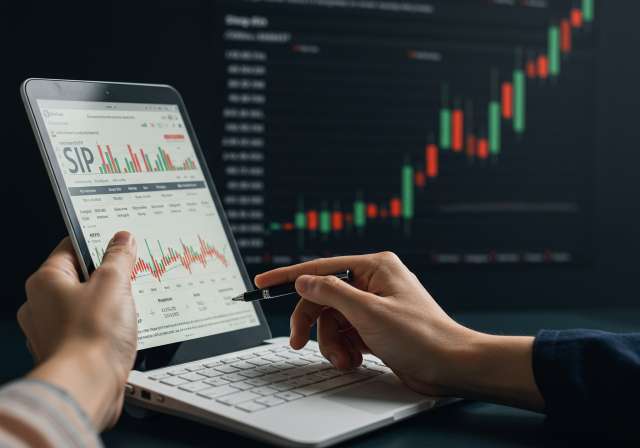

Using a trading app isn’t just about quick trades; it’s about integrating technology into a broader, well-defined investment strategy. Consider how a powerful trading app can complement your long-term financial goals. For instance, if you’re saving for retirement, you might use the app to occasionally rebalance your portfolio or invest in ELSS (Equity Linked Savings Scheme) funds for tax benefits under Section 80C of the Income Tax Act.
Many Indians also utilize investment tools like Public Provident Fund (PPF) and National Pension System (NPS) for long-term security. While you can’t directly trade these through a stock trading app, consider how profits generated from your stock market investments could potentially contribute to funding these long-term goals.
Understanding Demat and Trading Accounts
Before you start trading, it’s essential to understand the difference between a Demat (Dematerialized) account and a trading account. A Demat account holds your shares in electronic form, while a trading account is used to buy and sell securities on the stock exchange. When you buy shares, they are credited to your Demat account, and when you sell shares, they are debited from your Demat account. The trading account acts as an intermediary between you and the stock exchange.
Choosing the Right Broker
Selecting the right broker is a crucial decision. Consider factors such as brokerage fees, account opening charges, margin requirements, trading platform features, and customer service quality. Some brokers offer flat brokerage plans, while others charge a percentage of the transaction value. Compare the offerings of different brokers and choose the one that best suits your needs and trading style.
The Future of Trading Apps in India
The future of trading apps in India looks bright. As technology continues to evolve, we can expect to see even more sophisticated features and functionalities, such as:
- Artificial Intelligence (AI) and Machine Learning (ML): AI-powered trading tools that can analyze market data, identify patterns, and generate trading signals.
- Personalized Recommendations: Customized investment recommendations based on your risk profile, investment goals, and trading history.
- Social Trading: The ability to connect with other traders, share ideas, and copy successful trading strategies.
- Integration with Other Financial Services: Seamless integration with other financial services, such as banking, insurance, and wealth management.
Trading apps are constantly evolving, and it’s essential to stay updated with the latest trends and developments. By choosing the right app, developing a solid trading strategy, and practicing sound risk management, you can potentially achieve your financial goals and build a secure financial future.
Unlock your trading potential with a powerful trading app! Trade stocks, futures, options, and more with ease. Invest in the Indian stock market like never before.
Dominate the Markets: Your Guide to a Powerful Trading App
Navigating the Indian Stock Market: A Trader’s Landscape
The Indian stock market, a vibrant ecosystem teeming with opportunities, can seem daunting to newcomers. From the established giants listed on the National Stock Exchange (NSE) and the Bombay Stock Exchange (BSE) to the emerging small and mid-cap companies, the sheer volume of information and potential investments can be overwhelming. But fear not! With the right tools and knowledge, you can navigate this landscape and potentially reap significant rewards.
Understanding key concepts like SEBI regulations (the Securities and Exchange Board of India, which regulates the market), IPOs (Initial Public Offerings), and the intricacies of equity markets is crucial. Similarly, grasping the difference between trading and investing, as well as the risk-reward associated with each approach, is paramount. In today’s fast-paced world, having instant access to market data and the ability to execute trades quickly is a significant advantage. This is where a well-designed and efficient trading app comes into play.
The Rise of Mobile Trading: Accessibility and Convenience
Gone are the days when trading was confined to physical brokerages and lengthy phone calls. The advent of mobile technology has revolutionized the way Indians invest. Trading apps have democratized access to the stock market, allowing anyone with a smartphone and an internet connection to participate.
The convenience of trading on the go is undeniable. Whether you’re commuting to work, waiting in line, or simply relaxing at home, you can monitor your portfolio, analyze market trends, and execute trades with a few taps on your screen. This accessibility empowers you to seize opportunities as they arise and react quickly to market fluctuations.
Key Features to Look for in a Trading App
Not all trading apps are created equal. To maximize your trading potential, it’s essential to choose an app that offers the following features:
- Real-time Market Data: Access to up-to-the-minute stock prices, charts, and news is crucial for making informed trading decisions. Look for apps that provide real-time data feeds from the NSE and BSE.
- Advanced Charting Tools: Technical analysis plays a significant role in many trading strategies. A good app should offer a range of charting tools, including indicators, drawing tools, and customizable timeframes.
- Order Placement Options: The ability to place different types of orders, such as market orders, limit orders, stop-loss orders, and bracket orders, is essential for managing risk and executing your trading strategies effectively.
- Portfolio Tracking: Seamlessly track your investments, monitor your profits and losses, and analyze your portfolio’s performance with ease.
- News and Research: Stay informed about market developments, company news, and expert analysis directly within the app. Integration with reputable financial news sources is a plus.
- User-Friendly Interface: A clean, intuitive, and easy-to-navigate interface is essential for a seamless trading experience. The app should be designed for both beginners and experienced traders.
- Security: Security is paramount. Choose an app that employs robust security measures, such as encryption and two-factor authentication, to protect your account and personal information.
- Customer Support: Reliable customer support is essential in case you encounter any issues or have questions. Look for apps that offer multiple channels of support, such as phone, email, and live chat.
- Fund Transfer Options: Easily deposit and withdraw funds from your trading account through various payment methods, including UPI, net banking, and debit/credit cards.
Beyond Stocks: Exploring Other Investment Options
While stocks are a popular investment option, a good trading app should also provide access to other asset classes, such as:
- Futures and Options (F&O): Trade derivatives based on indices and individual stocks. F&O trading offers the potential for high returns but also carries significant risk.
- Commodities: Invest in precious metals like gold and silver, as well as agricultural commodities and energy products.
- Currency Derivatives: Trade currency pairs, such as USD/INR, and speculate on exchange rate movements.
- Mutual Funds: Invest in a diversified portfolio of stocks, bonds, or other assets managed by professional fund managers. Trading apps often offer the ability to invest in mutual funds through SIPs (Systematic Investment Plans).
Risk Management: A Cornerstone of Successful Trading
Trading involves inherent risks, and it’s crucial to have a solid risk management strategy in place. Here are some essential risk management techniques:
- Set Stop-Loss Orders: A stop-loss order automatically sells your position if the price falls to a predetermined level, limiting your potential losses.
- Diversify Your Portfolio: Don’t put all your eggs in one basket. Diversify your investments across different asset classes and sectors to reduce your overall risk.
- Manage Your Leverage: Leverage can amplify both your profits and losses. Use leverage prudently and avoid over-leveraging your account.
- Understand Your Risk Tolerance: Assess your risk tolerance and invest accordingly. Don’t take on more risk than you can comfortably handle.
- Stay Informed: Continuously monitor market trends, company news, and economic indicators to make informed trading decisions.
Remember, past performance is not indicative of future results. Trading involves risk, and you could lose money. Always conduct thorough research and seek professional advice before making any investment decisions.
Trading Apps and Your Broader Investment Strategy
About the Author


