
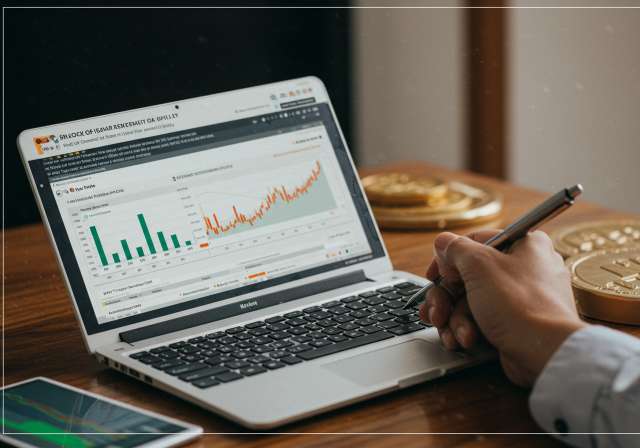

Looking to invest in the Indian stock market? Learn how to open a Demat account online and start trading. Discover the benefits of a Demat account, charges invo
Unlock the Stock Market: Open Your Demat Account Online
Looking to invest in the Indian stock market? Learn how to open a Demat account online and start trading. Discover the benefits of a Demat account, charges involved, and how to choose the right one for your investment needs. Get started on your investment journey today!
In the evolving landscape of the Indian financial market, a Demat account is your gateway to investing in stocks, bonds, and mutual funds. Short for Dematerialized Account, it’s essentially an electronic repository for your financial securities, replacing the cumbersome physical share certificates of yesteryears. Think of it as a bank account, but instead of holding money, it holds your investments.
The Securities and Exchange Board of India (SEBI) mandates a Demat account for trading and investing in the Indian stock market. Without one, you cannot directly buy or sell shares listed on the National Stock Exchange (NSE) or the Bombay Stock Exchange (BSE). So, if you’re serious about building wealth through equity investments, understanding and opening a Demat account is the first crucial step.
Consider the convenience: No more worrying about lost, damaged, or forged share certificates. All your holdings are stored safely and securely in electronic form, accessible anytime, anywhere. Plus, corporate actions like bonus issues, stock splits, and dividend payouts are automatically credited to your Demat account, streamlining your investment experience.
While the allure of investing is strong, it’s important to be aware of the associated costs. Demat accounts are not entirely cost-free; various charges are levied by the Depository Participants (DPs), which are intermediaries between you and the depositories (NSDL and CDSL).
It’s essential to carefully compare the charges of different DPs before opening an account. Look beyond just the headline rates and consider the overall cost structure, including hidden fees. Some DPs offer bundled services or discounted rates based on trading volume.
Opening a Demat account online has become increasingly streamlined, making it accessible to anyone with an internet connection. Here’s a detailed guide to navigate the process:
Having the necessary documents readily available will expedite the account opening process:
With numerous DPs offering Demat accounts, selecting the right one can be overwhelming. Here are some key factors to consider:
Once your Demat account is active, you can explore a wide range of investment options beyond just buying and selling shares. Here are some popular choices for Indian investors:
Understanding the tax implications of your investments is crucial for effective financial planning. Here’s a brief overview of the key tax considerations:
While a Demat account is essential for equity investments, consider other tax-saving and investment avenues to diversify your portfolio:
Investing in the Indian stock market through a Demat account is a powerful tool for wealth creation. By understanding the process, charges, and various investment options available, you can make informed decisions and embark on your financial journey with confidence. Remember to consult with a financial advisor to tailor your investment strategy to your individual goals and risk tolerance.
What is a Demat Account and Why Do You Need One?
Benefits of Opening a Demat Account
- Convenience and Security: Eliminate the risks associated with physical share certificates.
- Easy Transfer of Shares: Quickly and efficiently transfer shares electronically.
- Access to Diverse Investments: Invest in equities, IPOs, mutual funds, ETFs, and bonds.
- Reduced Transaction Costs: Lower brokerage fees compared to physical trading.
- Corporate Action Updates: Automatic updates on dividends, bonus issues, and stock splits.
- Nomination Facility: Nominate a beneficiary for your holdings for seamless transfer in case of unforeseen circumstances.
- Loan Against Securities: Use your Demat holdings as collateral for loans.
Understanding Demat Account Charges
- Account Opening Charges: This is a one-time fee charged when you open your Demat account. Some DPs offer promotional offers waiving these charges.
- Annual Maintenance Charges (AMC): An annual fee for maintaining your Demat account. The charges vary from DP to DP.
- Transaction Charges: Charged for each buy or sell transaction. These are typically a percentage of the transaction value or a fixed fee per transaction.
- Custodian Charges: Charged by the depository (NSDL or CDSL) for safekeeping of your securities.
- Dematerialization/Rematerialization Charges: Charged for converting physical share certificates into electronic form (dematerialization) or vice-versa (rematerialization).
How to Open a Demat Account Online: A Step-by-Step Guide
- Choose a Depository Participant (DP): Research and select a reputable DP registered with SEBI. Consider factors like brokerage charges, AMC, online trading platform, customer service, and research reports. Popular DPs include banks (e.g., HDFC Securities, ICICI Direct, SBI Securities) and brokerage firms (e.g., Zerodha, Upstox, Angel One).
- Fill Out the Online Application Form: Visit the DP’s website and fill out the online application form. You’ll need to provide personal details (name, address, PAN card details, Aadhaar card details), bank account details, and nominee details.
- e-KYC Verification: Complete the Know Your Customer (KYC) process online. This typically involves verifying your identity and address using Aadhaar-based OTP authentication or video KYC.
- Upload Documents: Upload scanned copies of required documents, including your PAN card, Aadhaar card, proof of address (e.g., passport, utility bill), and bank account statement.
- In-Person Verification (IPV): Some DPs may require an In-Person Verification (IPV) process, which can be done online via video call.
- Agreement and Account Activation: Review the terms and conditions of the Demat account agreement carefully. Once your application is approved and the verification process is complete, your Demat account will be activated. You will receive your Demat account number and client ID.
Documents Required to Open a Demat Account
- Proof of Identity (POI): PAN Card is mandatory. Other acceptable documents include Aadhaar Card, Passport, Driving License, Voter ID Card.
- Proof of Address (POA): Aadhaar Card, Passport, Driving License, Voter ID Card, Utility Bill (electricity bill, telephone bill, gas bill – not older than three months), Bank Statement.
- Proof of Income (POI): Bank Statement, Salary Slip, ITR Acknowledgment. (This may be required for trading in derivatives or other specific segments).
- Passport-size Photographs: Recent passport-size photographs.
Choosing the Right Demat Account for Your Needs
- Brokerage Charges: Compare brokerage charges for different types of trades (delivery, intraday, futures & options). Consider both percentage-based and fixed-fee brokerage plans.
- Annual Maintenance Charges (AMC): Check the AMC and any hidden charges. Some DPs offer lifetime AMC for a one-time fee.
- Trading Platform: Evaluate the user-friendliness and features of the DP’s online trading platform. Look for features like real-time market data, charting tools, and mobile app access.
- Customer Service: Assess the quality of customer service provided by the DP. Check for responsiveness, availability of support channels (phone, email, chat), and resolution of queries.
- Research and Advisory Services: If you need assistance with investment decisions, consider DPs that offer research reports, stock recommendations, and advisory services.
- Account Integration: Check if the Demat account is seamlessly integrated with your existing bank account for easy fund transfers.
- Specialized Accounts: Some DPs offer specialized accounts, such as Basic Services Demat Account (BSDA) with lower charges for small investors or NRI Demat accounts.
Investing Through Your Demat Account: Beyond Equity
- Initial Public Offerings (IPOs): Apply for shares in companies going public through the IPO process.
- Mutual Funds: Invest in professionally managed funds that pool money from multiple investors to invest in a diversified portfolio of stocks, bonds, or other assets. Systematic Investment Plans (SIPs) are a popular way to invest in mutual funds regularly.
- Exchange Traded Funds (ETFs): Invest in ETFs, which are passively managed funds that track a specific market index or commodity.
- Bonds: Invest in government or corporate bonds to earn fixed income.
- Sovereign Gold Bonds (SGBs): Invest in gold in paper form through SGBs, which offer interest income and capital appreciation based on gold prices.
Tax Implications of Investing Through a Demat Account
- Short-Term Capital Gains (STCG): Gains from the sale of equity shares or equity mutual funds held for less than one year are taxed at a rate of 15% plus applicable surcharge and cess.
- Long-Term Capital Gains (LTCG): Gains from the sale of equity shares or equity mutual funds held for more than one year are taxed at a rate of 10% plus applicable surcharge and cess, for gains exceeding ₹1 lakh in a financial year.
- Dividends: Dividend income from shares and mutual funds is taxable in the hands of the investor at their applicable income tax slab rates.
- Equity Linked Savings Scheme (ELSS): Investments in ELSS mutual funds are eligible for tax deduction under Section 80C of the Income Tax Act, up to a maximum of ₹1.5 lakh per financial year.
Demat Account and Other Investment Options
- Public Provident Fund (PPF): A government-backed long-term savings scheme offering tax benefits under Section 80C.
- National Pension System (NPS): A retirement savings scheme offering tax benefits and investment options in equity, debt, and balanced funds.
- Fixed Deposits (FDs): A traditional investment option offering fixed interest rates and tax benefits under Section 80C for tax-saving FDs.
- Real Estate: Investing in real estate can provide rental income and potential capital appreciation.
About the Author


