

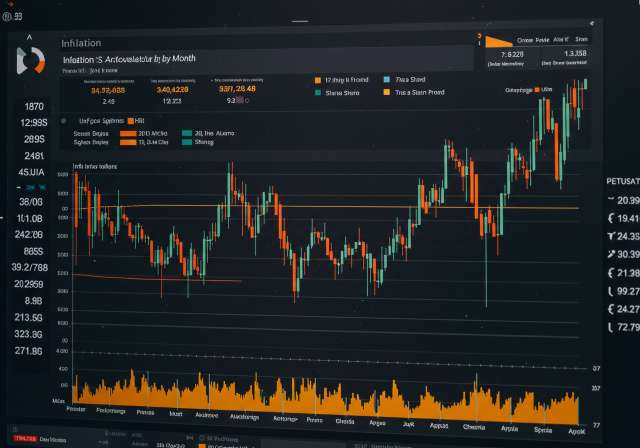
Confused about opening an account to buy and sell stocks India? Our guide simplifies the process! Learn about Demat & Trading accounts, choosing a broker, KYC,
Confused about opening an account to buy and sell stocks india? Our guide simplifies the process! Learn about Demat & Trading accounts, choosing a broker, KYC, and start investing in the Indian stock market today! Understand charges, trading platforms, and more.
Open Your Gateway to the Indian Stock Market: A Guide to Trading Accounts
Embarking on Your Investment Journey: Why You Need a Trading and Demat Account
The Indian stock market, comprising the National Stock Exchange (NSE) and the Bombay Stock Exchange (BSE), offers a plethora of opportunities for wealth creation. Whether you’re a seasoned investor or just starting, understanding the fundamentals is crucial. One of the first steps is opening the right type of account – a Demat and Trading account.
Think of a Demat account as a digital locker where your shares are held electronically. Before the digital age, share certificates were physical documents, prone to damage and loss. A Demat account, mandated by SEBI (Securities and Exchange Board of India), eliminates this risk by storing your shares in electronic form. This also makes trading much faster and efficient. Every time you buy shares, they are credited to your Demat account; when you sell, they are debited.
The Trading account, on the other hand, acts as your gateway to the stock market. It’s the platform through which you place buy and sell orders. You link your bank account to your trading account to transfer funds for buying stocks and receive proceeds from selling them. Think of it as the interface with the stock exchange. You cannot directly buy or sell shares on the NSE or BSE; you need a SEBI-registered broker and a trading account to do so.
In essence, the Demat account holds your assets (shares), while the Trading account facilitates the transactions.
Choosing the Right Broker: A Crucial Decision
Selecting a broker is a critical decision that will impact your trading experience. Brokers act as intermediaries, providing you with the platform and services to execute trades. They fall into two main categories:
Full-Service Brokers:
- Comprehensive Services: These brokers offer a wide range of services, including research reports, investment advice, wealth management, and access to various investment products like mutual funds, IPOs, and fixed deposits.
- Higher Brokerage Fees: Due to the extensive services they provide, full-service brokers typically charge higher brokerage fees. Expect to pay a percentage of your transaction value as brokerage.
- Ideal for Beginners: If you’re new to the stock market and need guidance, a full-service broker can be a valuable asset. They can help you understand market dynamics, develop an investment strategy, and make informed decisions.
- Examples: HDFC Securities, ICICI Direct, Kotak Securities.
Discount Brokers:
- Basic Trading Platform: Discount brokers offer a more streamlined trading experience, focusing primarily on executing trades at a lower cost. They typically provide a basic trading platform and limited research or advisory services.
- Lower Brokerage Fees: Discount brokers charge significantly lower brokerage fees, often a flat fee per trade, regardless of the transaction value.
- Suitable for Experienced Traders: If you’re a seasoned investor who doesn’t require extensive research or advisory services, a discount broker can be a cost-effective option.
- Examples: Zerodha, Upstox, Groww, Angel One.
When choosing a broker, consider your investment needs, experience level, and budget. Compare brokerage fees, trading platforms, research offerings, and customer support before making a decision.
Opening Your Trading and Demat Account: A Step-by-Step Guide
Opening a trading and Demat account is a relatively straightforward process. Here’s a step-by-step guide:
- Choose a Broker: Based on your needs and preferences, select a suitable broker. Research and compare different brokers before making a decision.
- Online Application: Most brokers offer online account opening facilities. Visit the broker’s website and fill out the online application form. You’ll need to provide personal details, including your PAN (Permanent Account Number), Aadhaar number, bank account details, and address.
- KYC Verification: KYC (Know Your Customer) is a mandatory process required by SEBI to verify your identity and address. You’ll need to submit scanned copies of your PAN card, Aadhaar card, bank statement, and passport-sized photograph. Many brokers offer online KYC verification through e-KYC, which is faster and more convenient.
- In-Person Verification (IPV): Some brokers may require in-person verification (IPV) to further verify your identity. This can be done through a video call or by visiting the broker’s branch office.
- Account Activation: Once your application and KYC are verified, the broker will activate your trading and Demat account. You’ll receive your account details and login credentials.
- Fund Your Account: Link your bank account to your trading account and transfer funds to start trading.
Understanding the Costs: Brokerage Fees and Other Charges
Before you start trading, it’s important to understand the various costs associated with trading. These include:
- Brokerage Fees: This is the fee charged by the broker for executing trades. As mentioned earlier, brokerage fees can be a percentage of the transaction value or a flat fee per trade.
- Securities Transaction Tax (STT): STT is a tax levied by the government on the purchase and sale of securities. The rate of STT varies depending on the type of security and the transaction.
- Stamp Duty: Stamp duty is a tax levied by the state government on the transfer of securities.
- Goods and Services Tax (GST): GST is levied on brokerage fees and other services provided by the broker.
- Exchange Transaction Charges: These are charges levied by the stock exchanges (NSE and BSE) for facilitating trades.
- SEBI Turnover Fees: SEBI charges a small fee on the total turnover of the exchange.
- Demat Account Maintenance Charges (AMC): Your Depository Participant (DP), which is usually the broker, charges a small Annual Maintenance Charge (AMC) for maintaining your Demat account.
Carefully consider these costs when evaluating different brokers and planning your trades. Low brokerage fees are attractive, but make sure you understand all other applicable charges.
Leveraging the Power of SIPs in Equity Markets
For investors looking for a disciplined approach to investing in the equity markets, Systematic Investment Plans (SIPs) offer a compelling option. SIPs allow you to invest a fixed amount of money at regular intervals (e.g., monthly) in a mutual fund scheme. This helps to average out your investment cost and mitigate the risk associated with market volatility.
While you can directly buy stocks, for new investors, mutual funds offer a diversified portfolio managed by professionals. SIPs are a common way to invest in Equity Linked Savings Schemes (ELSS) which offer tax benefits under Section 80C of the Income Tax Act, 1961. However, ELSS funds have a lock-in period of 3 years.
Here’s why SIPs are a popular choice:
- Rupee Cost Averaging: SIPs help to average out your investment cost by buying more units when the market is down and fewer units when the market is up.
- Disciplined Investing: SIPs encourage a disciplined approach to investing by automating your investments.
- Power of Compounding: Over the long term, the power of compounding can significantly enhance your returns.
- Suitable for All Investors: SIPs are suitable for both small and large investors.
Investing in the Indian stock market can be a rewarding experience. By understanding the fundamentals of trading accounts, choosing the right broker, and utilizing investment strategies like SIPs, you can increase your chances of achieving your financial goals. Remember to conduct thorough research, consult with a financial advisor if needed, and invest wisely.
Beyond Stocks: Exploring Other Investment Avenues in India
While the stock market offers potential for high returns, it’s essential to diversify your portfolio by exploring other investment options available in India. These include:
- Public Provident Fund (PPF): A popular long-term savings scheme backed by the government, offering tax benefits and guaranteed returns.
- National Pension System (NPS): A retirement savings scheme that allows you to invest in a mix of equity, debt, and government securities.
- Fixed Deposits (FDs): A safe and secure investment option offering fixed interest rates.
- Real Estate: Investing in property can provide rental income and capital appreciation.
- Gold: A traditional hedge against inflation and economic uncertainty. You can invest in gold through physical gold, gold ETFs, or sovereign gold bonds.
Staying Informed and Making Informed Decisions
The financial world is constantly evolving. It’s crucial to stay updated on market trends, economic news, and regulatory changes. Here are some resources that can help you stay informed:
- Financial News Websites: Follow reputable financial news websites like The Economic Times, Business Standard, and Livemint.
- Brokerage Research Reports: Many brokers provide research reports and analysis on various companies and sectors.
- SEBI Website: The SEBI website provides information on regulations, circulars, and investor education.
- Financial Advisors: Consider consulting with a qualified financial advisor for personalized investment advice.
Remember that investing involves risk. There is no guarantee of returns, and you could lose money. Before making any investment decisions, carefully consider your risk tolerance, investment goals, and financial situation. Learning about the different types of investment instruments and the nuances of the stock market is key. Choosing the right account to buy and sell stocks India, is just the first step on a long and potentially profitable journey.
About the Author


